This vision was based on the idea that 5G would be the key to unlocking the potential of the Internet of Things (IoT). The Internet of Things (IoT) is a network of physical objects embedded with electronics, software, sensors, and other technologies that enable them to collect and exchange data. This data can be used to improve efficiency, productivity, and decision-making in various industries.
It communicates with other vehicles, infrastructure, and even pedestrians. The second component is a roadside unit (RSU) which is a fixed infrastructure element. The RSU is responsible for receiving and processing data from the V2X system.
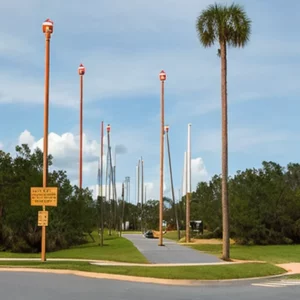
An RDU can tackle the role of traffic cop at intersections and could change the timing of red lights based on current demand. An older study from the U.S. Department of Transportation (USDOT) estimated that 75% of all intersections in the country need improvements in traffic light timing. Like any new technology, there is a chicken and egg issue. It’s unlikely that local governments will be interested in installing RDUs until enough cars have V2X technology. Car manufacturers don’t want to spend extra money on the technology unless the benefits can be explained to customers. ITS America estimates that the national cost to put RDUs at every intersection is around $6.5 billion—a big number, but not out of reach if it could significantly reduce death and damages from collisions.
This action, while seemingly negative, actually paved the way for the technology to flourish. The FCC’s role in the development of this technology is multifaceted. First, it allocated a specific 5.9 GHz spectrum for the technology. This allocation was crucial for the technology to be deployed and for it to be able to operate efficiently.
It’s simple, it’s effective, and it’s backed by a lot of evidence. The idea is that we should focus on building strong, resilient communities. Resilient communities are those that can withstand shocks and stresses, whether they be natural disasters, economic downturns, or social unrest. This concept is gaining traction in various fields, including public health, disaster management, and urban planning.