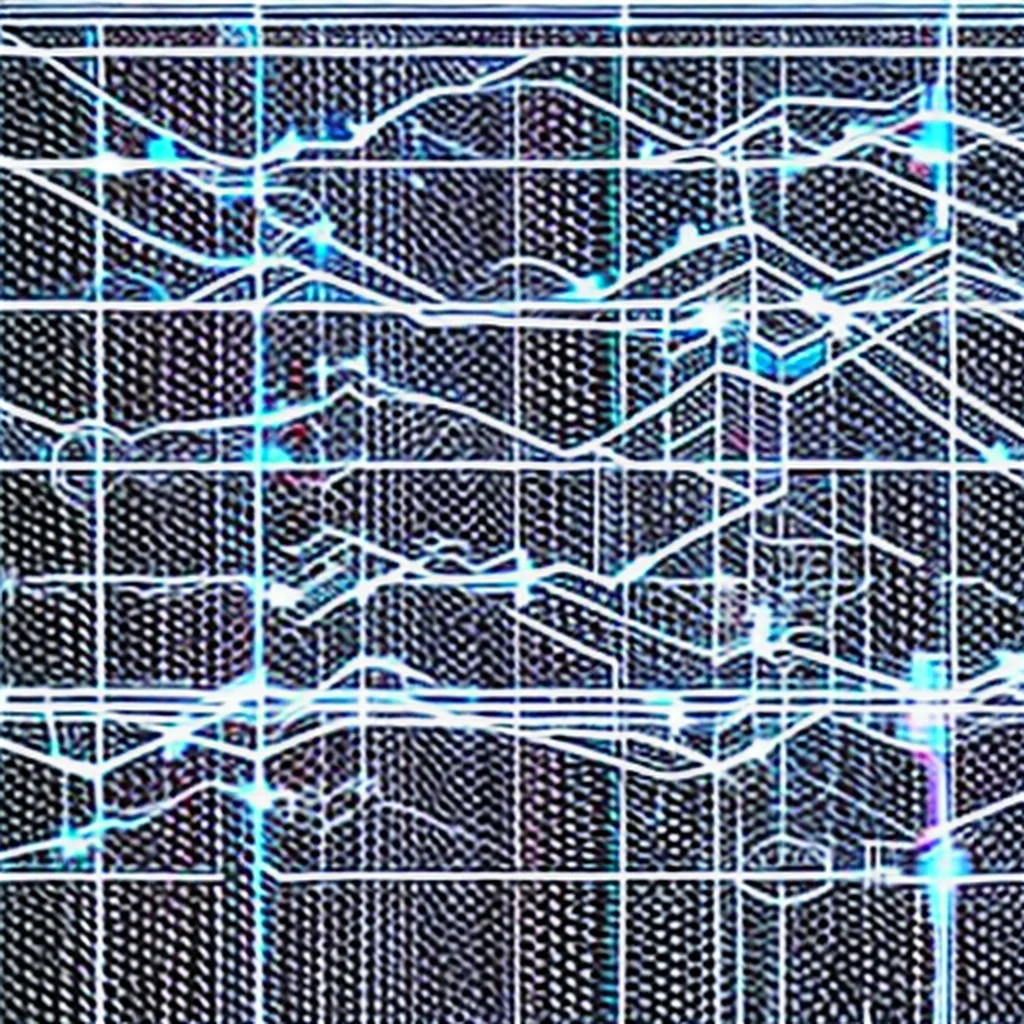
The grid is a complex system, and its operation relies on a delicate balance of interconnected components. The grid’s ability to function effectively depends on the reliability of its components, which are interconnected and interdependent. A single component failure can cascade into a larger outage, impacting the entire system.
These systems were limited in their capabilities, with a focus on basic monitoring and control. The advent of digital technology revolutionized the energy grid, enabling more sophisticated communication capabilities. Digital systems allowed for the use of data transmission protocols, such as Modbus and IEC 61850, which facilitated real-time monitoring, control, and data exchange. These advancements led to significant improvements in grid reliability, efficiency, and security.
The concept of the smart grid emerged in the early 2000s, driven by the need for greater system efficiency, reliability, and early integration of renewable energy sources. Utilities began to invest in high-speed communication networks to connect their entire grid infrastructure. The deployment of smart meters began to enable two-way communication between utilities and customers. Energy providers analyzed this new wave of data collected from the grid to improve system operations, optimize energy usage, and enhance grid resilience. Grid modernization is taking network communications integration to another level to further improve the advancements in grid monitoring and control. The energy grid has evolved into a complex cyber-physical system, where physical components are tightly integrated with digital systems. More devices are connected to the grid than ever before, and with that comes increased demand for network stability and security. Being able to communicate throughout this complex energy grid is critical to system advancement moving forward.
Advanced network communications in grid modernization Network communications is driving grid transformation. Some of the latest advancements include: 5G and Long-Term Evolution (LTE) private networks : 5G offers significantly improved data transfer speeds and reduced latency, essential for real-time grid operations monitoring and control. LTE-based private networks are dedicated networks that provide secure and reliable communication for critical grid infrastructure, especially in remote areas. Advanced metering infrastructure (AMI) : AMI systems enable bidirectional communication and energy flow between end users and the grid, allowing utilities to remotely control devices and gather more detailed usage data. AMI is also enabling the integration of renewable and distributed energy resources (DER) into the grid-helping optimize system output and balancing grid load.
Fiber optic networks : Fiber optics provide high-capacity, low-latency communication, which is essential for handling the large volumes of real-time data generated by smart grid devices for faster responses to outages, load balancing, and grid restoration efforts. Fiber optic cables also improve network resilience as they are less susceptible to electromagnetic interference (EMI) and physical damage. Internet-of-things (IoT) and edge computing : IoT devices and edge computing enable real-time data collection and analysis at the network edge, improving grid efficiency and responsiveness. By analyzing data from grid sensors, utilities can predict equipment failures and optimize maintenance schedules. Artificial intelligence (AI) and machine learning (ML) : Complex AI and ML algorithms are being used to optimize grid operations, improve energy efficiency, and enhance grid resilience. These technologies help utilities manage electricity requirements by analyzing customer consumption patterns and improve system-wide demand planning.
* **Network communications:** The backbone of modern power grids, enabling data exchange between various components. * **Intelligent, responsive, and sustainable:** The goal of modern grid modernization efforts, achieved through advanced communication technologies. * **Real-time monitoring:** Provides a constant stream of data on grid conditions, enabling proactive management and optimization.
**Enhanced System Efficiency and Sustainability:**
* **Real-time Demand and Supply Optimization:** Grid modernization through communication technologies allows for dynamic adjustments to energy distribution based on real-time data. This means power is allocated to areas with the highest demand, minimizing energy waste and maximizing efficiency. * **Example:** Imagine a city experiencing a heat wave.
The future of advanced communication in the energy sector is promising, but it faces significant challenges. These challenges include regulatory hurdles, customer acceptance, and the need for standardization. **Detailed Text:**
The promise of advanced communication in the energy sector is undeniable.
Energy storage is a critical component of grid modernization, enabling the integration of renewable energy sources and enhancing grid reliability. This blog post will delve into the various types of energy storage, their advantages and disadvantages, and the role of energy storage in achieving a sustainable energy future. Let’s dive into the world of energy storage. **Types of Energy Storage**
Energy storage systems come in various forms, each with its unique characteristics and applications.

news is a contributor at OpenLTE. We are committed to providing well-researched, accurate, and valuable content to our readers.