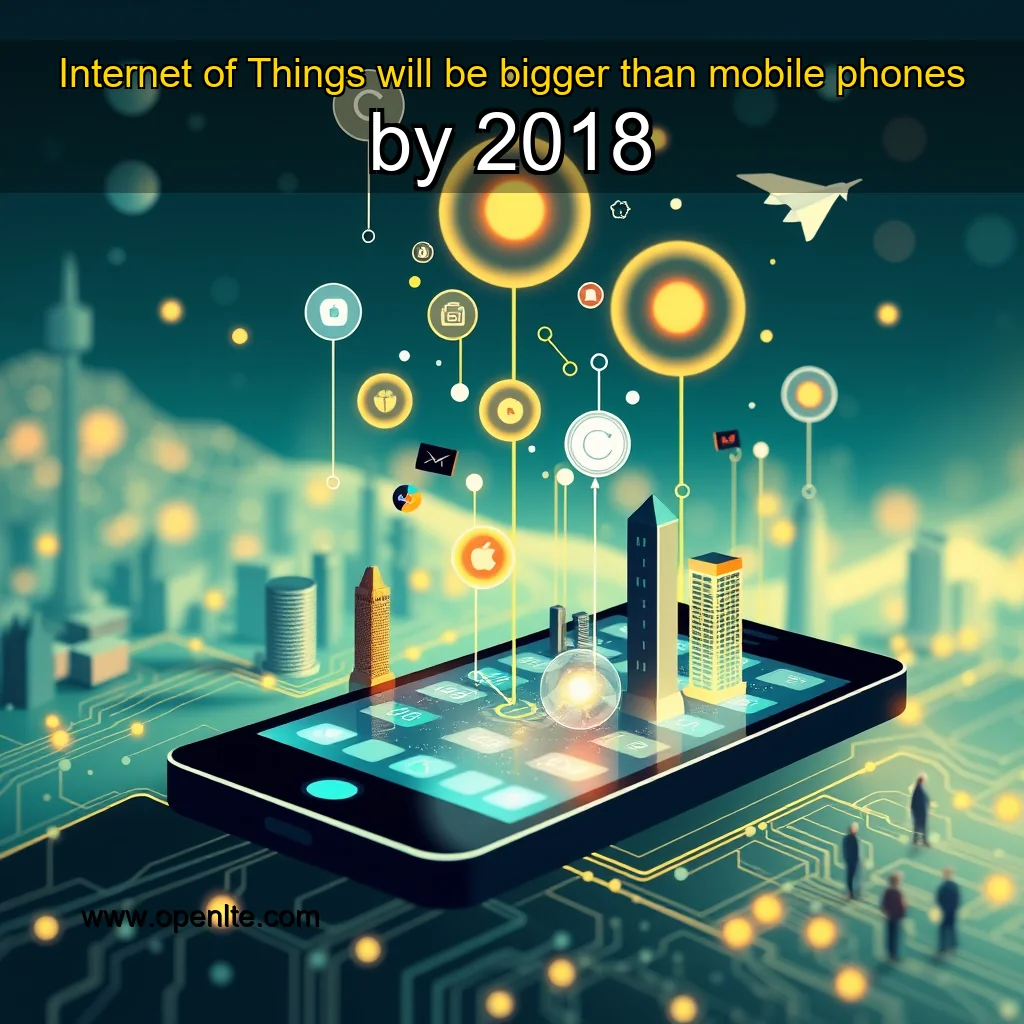
IoT devices are expected to surpass mobile phones as the largest category of connected devices by 2021.
The Rise of IoT Devices
The Internet of Things (IoT) refers to the network of physical devices, vehicles, home appliances, and other items embedded with sensors, software, and connectivity, allowing them to collect and exchange data.
This will lead to a massive increase in the number of devices connected to the internet, with the number of IoT devices expected to reach 41 billion by 2025.
The Rise of IoT and 5G
The Internet of Things (IoT) has been gaining momentum over the past decade, with the number of connected devices growing exponentially. The IoT refers to the network of physical devices, vehicles, home appliances, and other items embedded with sensors, software, and connectivity, allowing them to collect and exchange data. The IoT has numerous applications, including smart homes, industrial automation, and smart cities.
Let me know if you'd like to explore other options or have different
Key Features of IoT
The Impact of 5G on IoT
The deployment of 5G networks will have a significant impact on the IoT.
Mobile Broadband Market Sees Rapid Growth as Demand for Mobile Internet Increases.
The Mobile Broadband Market: A Region of Rapid Growth
The mobile broadband market is experiencing a period of rapid growth, with significant increases in subscriptions and data traffic expected across various regions. This trend is driven by the increasing demand for mobile internet access, particularly in emerging markets.
Key Drivers of Growth
Several factors are contributing to the growth of the mobile broadband market:
The Rise of LTE and Cellular Data
The rapid growth of LTE (Long-Term Evolution) and cellular data has been a remarkable phenomenon in recent years. In just 15 months, the use of cellular data for smartphone video has grown by an astonishing 127 percent.
The European Union has already begun to harmonize its spectrum, while the United States has not yet started. The lack of harmonization is a significant barrier to the widespread adoption of 5G.
Harmonizing Spectrum for Widespread 5G Adoption
The Need for Harmonization
The rollout of 5G networks is expected to be a game-changer for the telecommunications industry, offering faster speeds, lower latency, and greater connectivity. However, the widespread adoption of 5G is hindered by the lack of harmonization between countries planning early roll-outs. Spectrum harmonization is crucial to ensure that different countries can share the same frequency bands, making it easier to deploy and maintain 5G networks.
The Current State of Spectrum Harmonization
The European Union has already taken steps to harmonize its spectrum, with the European Commission announcing plans to allocate 700 MHz and 3.5 GHz frequency bands for 5G use. In contrast, the United States has not yet started the process of harmonizing its spectrum.
The report offers detailed information on the current state of mobile data traffic, trends, and forecasts for the next few years. Key statistics and data visualizations are presented in an accessible format. The report provides valuable insights for network operators, policymakers, and industry stakeholders. The Ericsson Mobility Report has been published annually since 2003 and is considered a reference point for the mobile industry.

news is a contributor at OpenLTE. We are committed to providing well-researched, accurate, and valuable content to our readers.